
Oral hygiene basics – Part 1
Good oral hygiene is an essential part of overall health, as several serious conditions—such as diabetes, cardiovascular diseases, and premature birth—have been linked to oral health.
Which toothbrush to choose? Manual or electric?
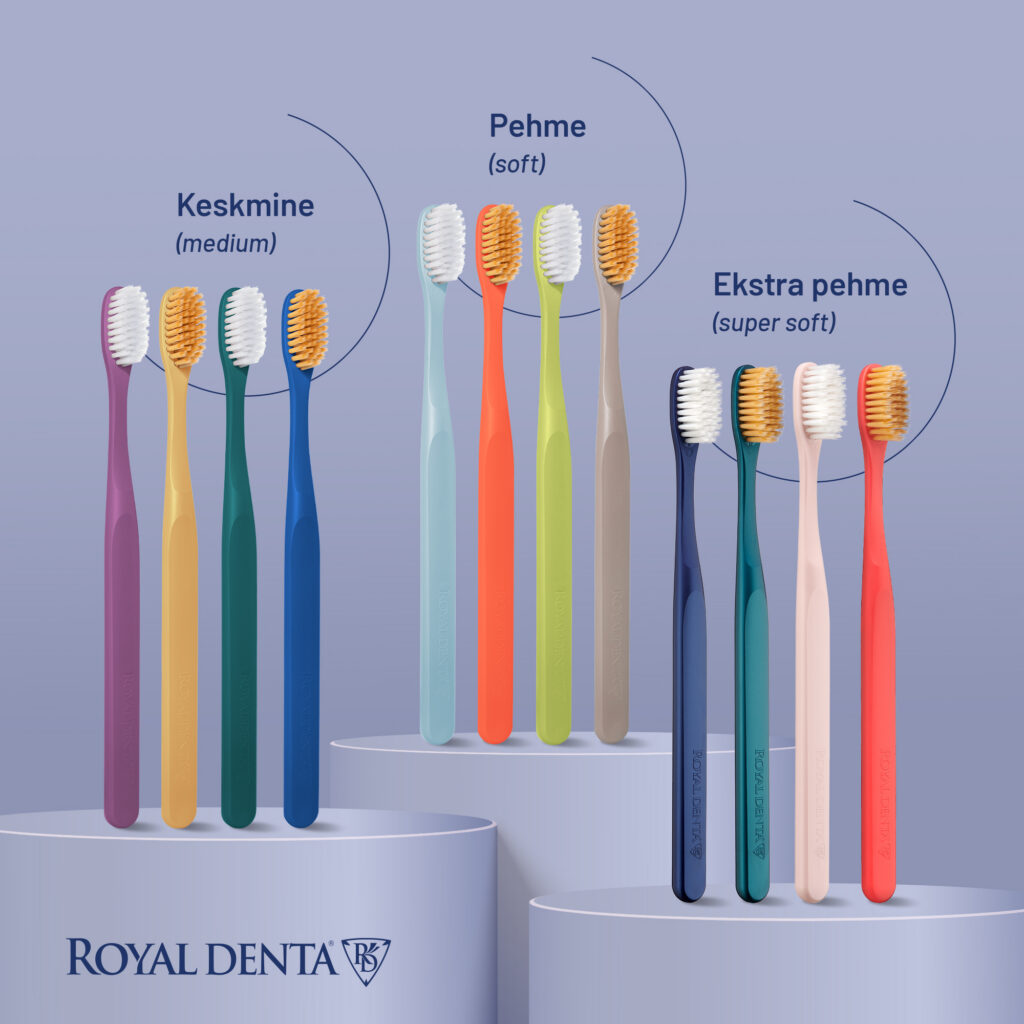
It is recommended to use a toothbrush with soft or extra soft bristles, as harder bristles may damage tooth enamel and gums, especially if brushing technique is incorrect.
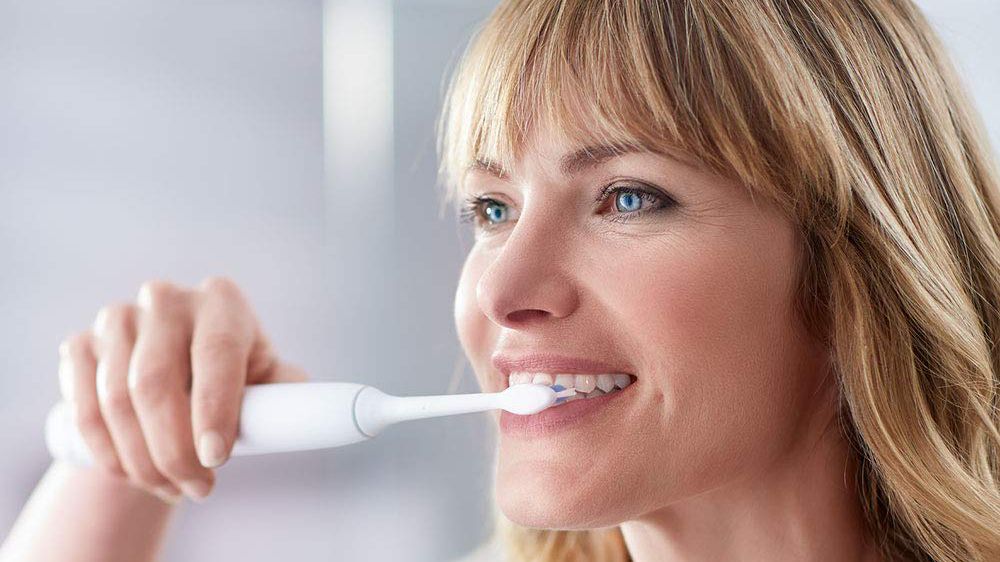
For individuals who tend to brush too aggressively, switching to an electric toothbrush is advisable. Many models are equipped with built-in pressure sensors that alert users when excessive force is applied.
An electric toothbrush can also clean hard-to-reach areas more effectively, such as the back teeth, helping to reduce the risk of gum inflammation and bleeding.
For example, Philips Sonicare toothbrushes are equipped with pressure sensors, brush head replacement reminder technology, and sonic technology that removes up to 10 times more plaque compared to manual toothbrushes.
The toothbrush or brush head should be replaced every 3 months.
Toothpaste choices
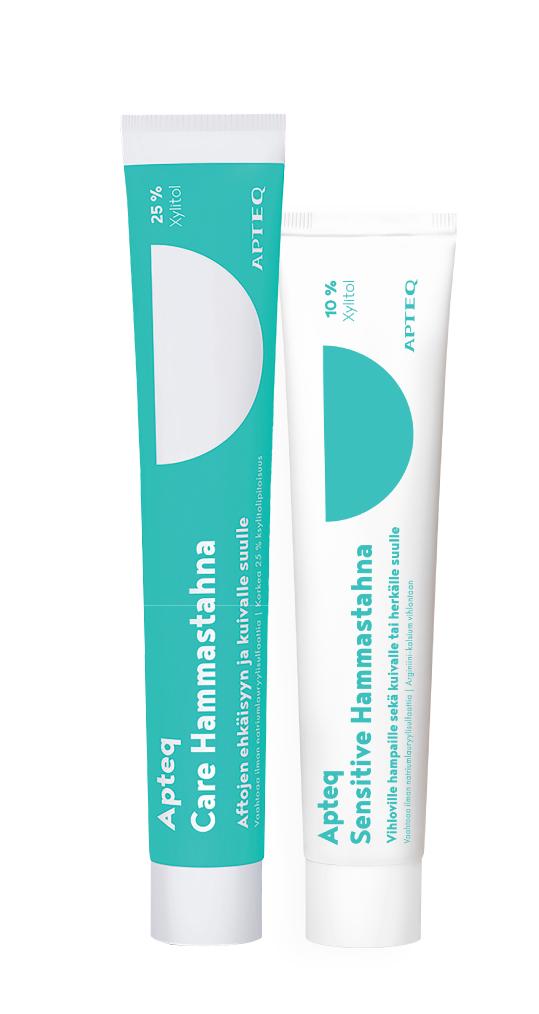
Choose a toothpaste that supports gum health. Dentists recommend using pastes containing fluoride and xylitol, as these help strengthen teeth and prevent the development of cavities.
In cases of poor oral hygiene, when gums are red, swollen, and bleeding, a toothpaste that inhibits bacterial growth and strengthens the gums is essential. For example, Royal Denta Gold toothpaste contains:
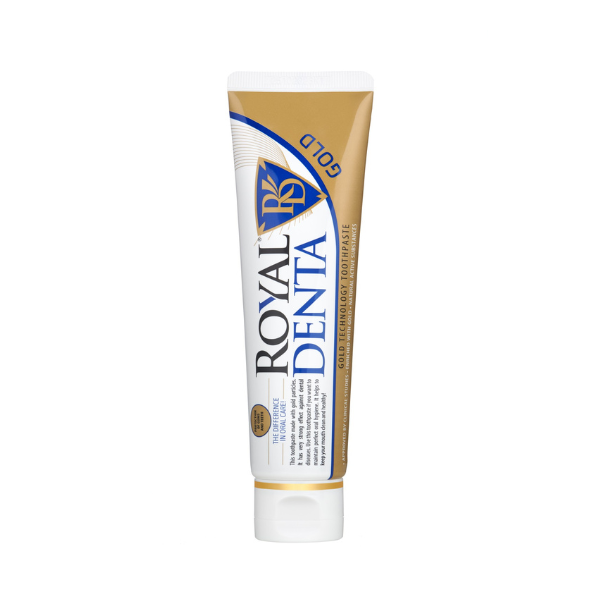
- Hydroxyapatite, which remineralizes enamel, reduces sensitivity, and protects gums from inflammation.
- Chitosan, which neutralizes the acidic environment in the mouth, reducing gum irritation and inflammation.
- Green tea extract, whose antioxidant properties protect gums from oxidative stress. Regular consumption of green tea also helps reduce harmful bacteria in the oral cavity.
It is important to monitor toothpaste abrasivity (RDA), especially when using an electric toothbrush.
Learn more about abrasivity in our blog post.
Whitening toothpastes should be used occasionally, as they are too abrasive for continuous use. Long-term use of whitening toothpaste can damage enamel by scratching its surface, which may result in teeth appearing dull.
For teeth whitening, it is recommended to consult a dentist to determine the most suitable procedure.
Proper brushing techniques
The basic rule is to brush your teeth twice a day (morning and evening) for at least 2 minutes. Morning brushing is recommended immediately after waking up and before eating to avoid forgetting. If brushing after meals, wait 30–60 minutes to allow the oral pH level to normalize, reducing the risk of enamel damage during brushing. After eating, you may rinse your mouth with water or chew a xylitol-containing product (chewing gum or lozenges), which stimulates saliva production and helps neutralize acids.
A pea-sized amount of toothpaste is sufficient. The bristles should be angled at 45 degrees toward the gum line and tooth surface, and the toothbrush should be moved with gentle, consistent motions. Finish by brushing the chewing surfaces.
When using an electric toothbrush, simply position the brush correctly and guide it tooth by tooth along the dental arch.
Incorrect brushing technique can cause gum and tooth sensitivity.