
Oral hygiene basics and gum disease prevention – Part 2

In the first part of Oral Hygiene Basics, we focused on choosing the right toothbrush and toothpaste, as well as proper brushing techniques to ensure effective cleaning. This time, we turn our attention to interdental cleaning and introduce additional tools such as mouthwash and tongue cleaners. We also explore how to prevent gum diseases and maintain optimal oral health.
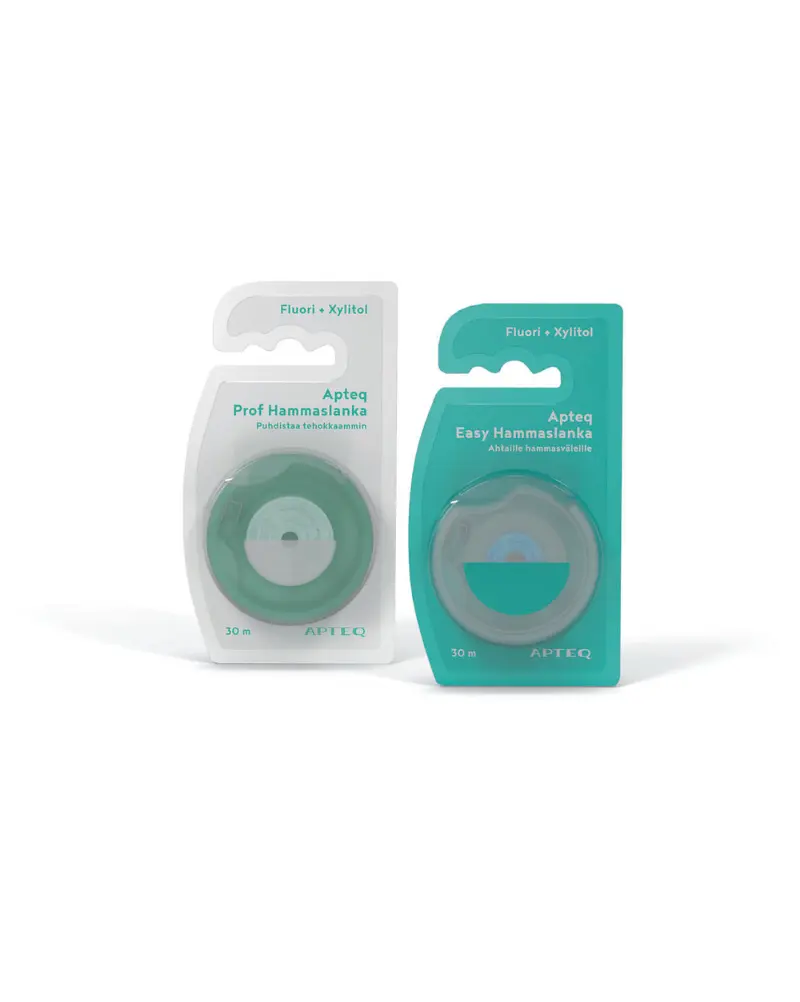
Interdental cleaning: dental floss or interdental cleaner?
Unfortunately, brushing alone is not enough. Approximately 40–45% of plaque and food debris accumulates between the teeth. That is why it is essential to use dental floss or an interdental cleaner. This is particularly important in the evening before brushing, allowing the toothpaste to reach interdental areas more effectively.
When using dental floss, proper technique is crucial. The floss should be guided along the side of the tooth and moved gently back and forth two to three times. This ensures effective removal of both larger food particles and plaque.
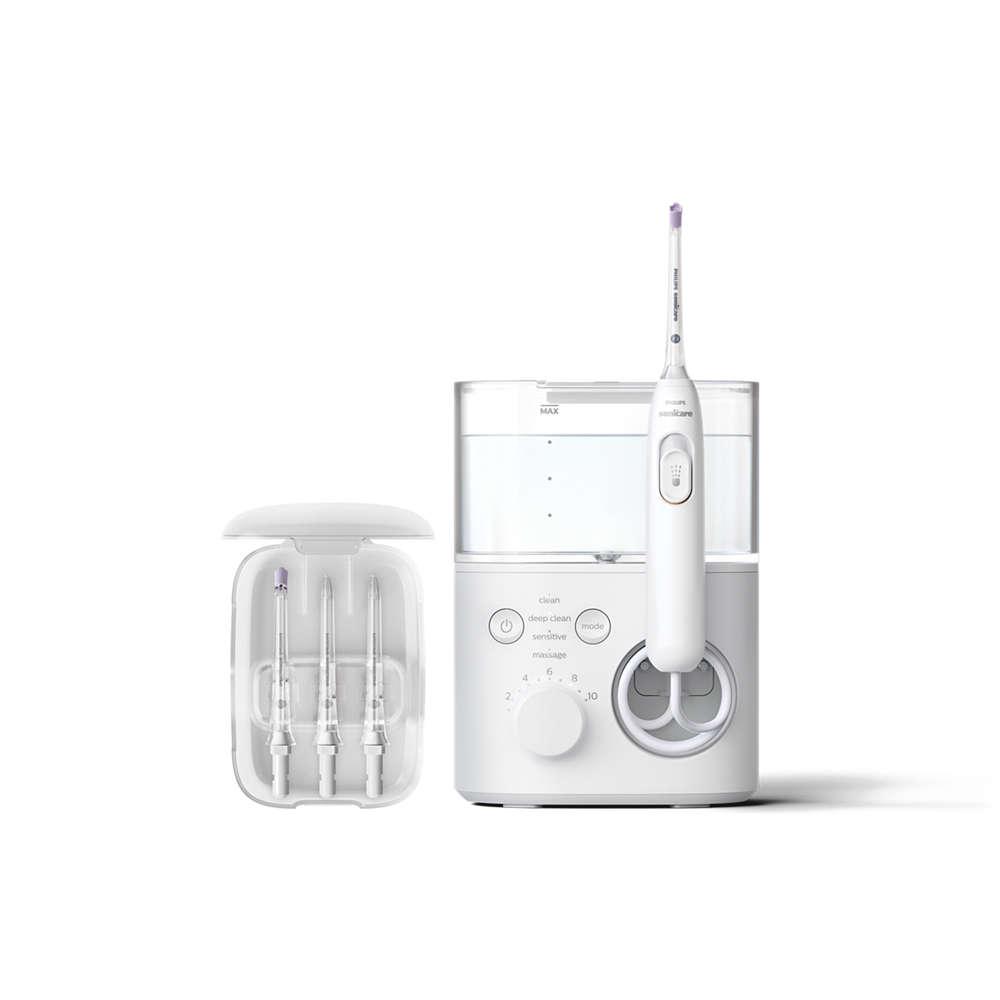
The Philips Power Flosser irrigator is a convenient alternative to traditional floss, offering:
- Effective cleaning — a targeted water stream removes food debris and bacteria from between teeth and below the gumline, which is especially beneficial for those wearing braces or other orthodontic appliances.
- Gentle on gums — provides a mild cleaning experience without irritating the gums, as dental flossing sometimes can.
- Ease of use — an excellent alternative for individuals who find dental flossing difficult or uncomfortable.

Failure to clean interdental spaces can result in plaque buildup, leading to bad breath, tartar formation, and bleeding gums. Untreated gingivitis may progress into periodontitis, which in severe cases can result in tooth loss.
Tongue cleaning
Plaque accumulating on the tongue can cause bad breath. A tongue brush or scraper can be used to clean the tongue by gently sweeping from back to front, removing bacteria and debris. Tongue cleaning is optional but beneficial.
Mouthwash
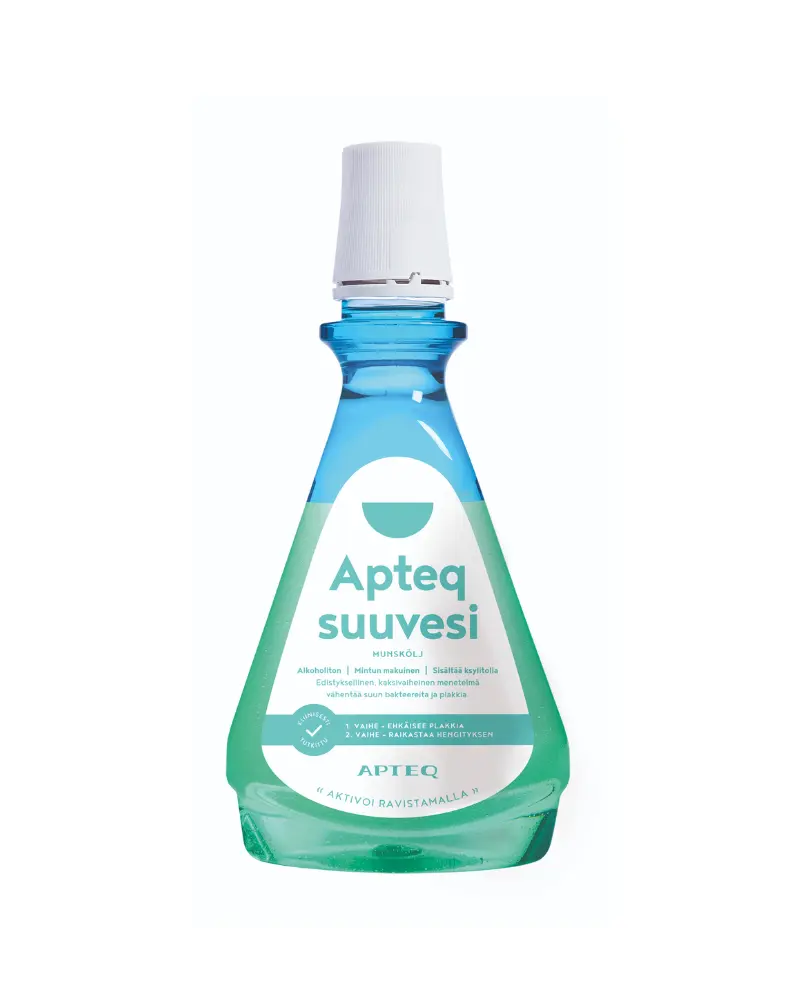
Mouthwash is not essential for daily use; however, an antibacterial mouthwash can help reduce bacterial load and support gum health. If used daily, it is recommended to choose an alcohol-free formula to prevent dry mouth, which may contribute to bad breath. A suitable option is Apteq mild-flavored mouthwash containing natural oils.
The sugar clock and its importance
To maintain healthy teeth, it is important to follow the concept of the “sugar clock,” which means allowing at least 3–4 hours between meals, during which only water should be consumed. Excessive sugar intake promotes bacterial growth and creates an acidic environment that damages teeth.
Dentists recommend:
- Leave 3–4 hour breaks between meals.
- Preferring sugar substitutes or natural sweeteners.
- Brushing teeth or rinsing the mouth with water after consuming sugary products.
How to prevent gum disease?
Gum diseases, including gingivitis and periodontitis, are common issues. Proper oral care is essential to maintain healthy gums and prevent more serious complications.
In addition to home care routines, it is important to visit a dentist and dental hygienist regularly. They can remove tartar, detect early signs of gum disease, and provide personalized recommendations for ongoing care.
Summary – good oral hygiene helps prevent gum diseases and supports overall health. Effective care begins with choosing the right tools and using proper brushing techniques. While interdental cleaning with floss or an irrigator is essential daily, the use of mouthwash and tongue cleaning remains optional.
It is important to:
- Brush your teeth twice a day for at least 2 minutes.
- Clean interdental spaces before your evening brushing routine.
- Avoid consuming sugary and acidic products between meals.
- Choose xylitol-based chewing gum and toothpastes containing fluoride and xylitol.
- Visit the dentist at least once a year.
By combining regular brushing, the right toothpaste, thorough interdental cleaning, and mindful dietary habits such as following the sugar clock, you can significantly reduce the risk of gum disease and enjoy a healthy, confident smile.
Explore our full range of premium oral care products in our e-shop!