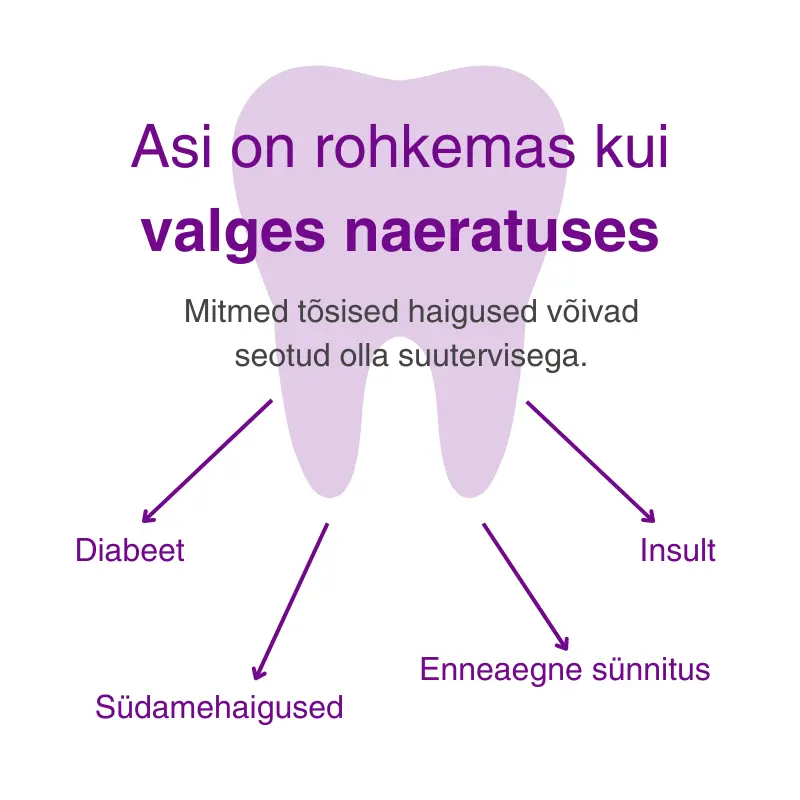
Diabetes and oral health. Oral hygiene affects the entire body
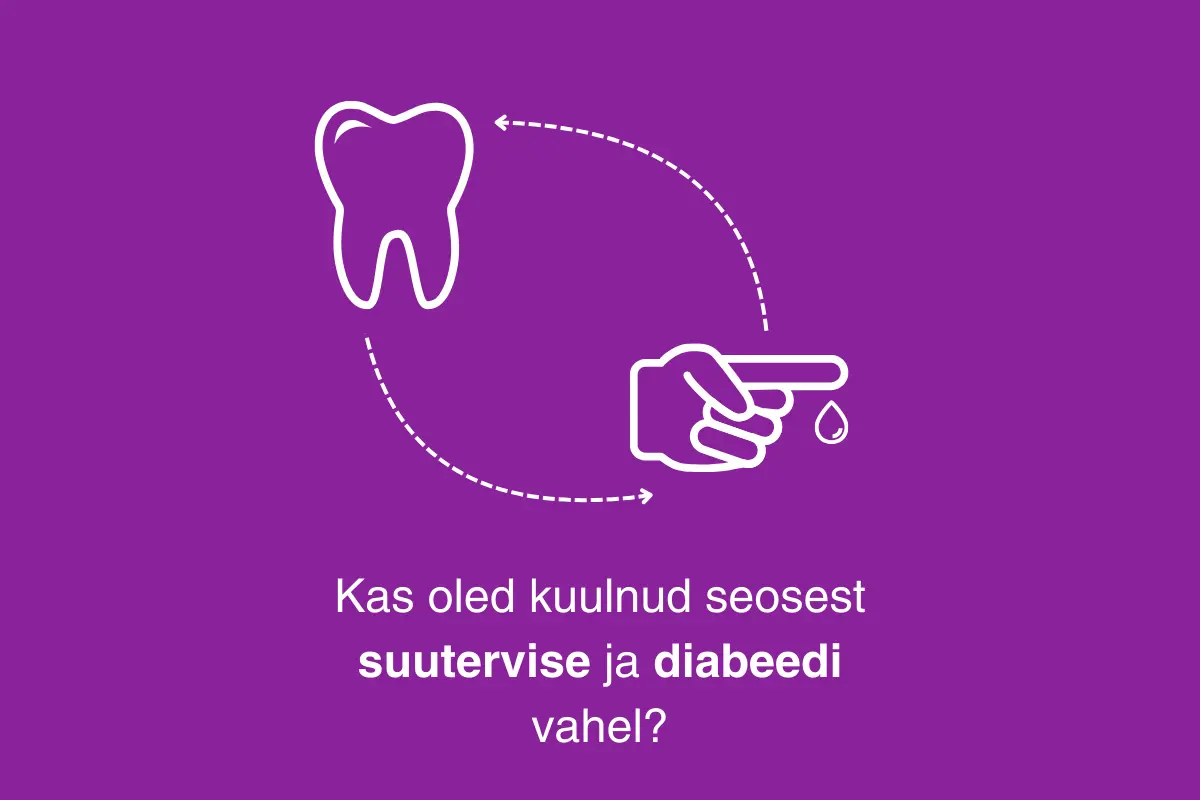
According to the Estonian Diabetes Association, approximately 70,000 people in Estonia have been diagnosed with diabetes. It is estimated that about the same number of people have diabetes without knowing it.
Studies show that patients diagnosed with type 2 diabetes have a higher risk of developing gum disease, and the condition is likely to be more severe.
11% of the population suffers from severe forms of periodontitis. Unlike gingivitis, periodontitis results in the loss of tooth-supporting tissues, which may no longer be possible to “repair”. Periodontitis is characterized by the destruction of the tissues surrounding the tooth. Periodontitis is an inflammatory disease triggered by the invasion of pathogens living in dental plaque; these bacteria, in turn, activate the immune system. The immune system is activated incorrectly—initially intending to destroy pathogens, but “accidentally” the immune mechanisms also attack the host’s own tissues, destroying the bone surrounding the tooth and the periodontal ligament. As the disease progresses, teeth begin to move, chewing function deteriorates, and the disease can result in tooth loss.
Early signs for detecting gum disease
Detect gum disease early by monitoring your oral health. Look out for:
- Bleeding gums when flossing or brushing your teeth.
- Red, swollen, or tender gums.
- Persistent bad breath or a bad taste in the mouth.
If you have experienced any of these symptoms, consult your dentist.
Small steps can have a big impact
An effective daily oral care routine keeps the mouth healthy and contributes to overall well-being.
- Toothbrush — The right tool and technique make a big difference. Talk to your dentist about how to improve brushing efficiency.
- Interdental cleaning — The spaces between teeth are home to harmful bacteria; clean them thoroughly to keep your gums healthy.
- Mouthwash — Use a nourishing mouthwash to prevent plaque buildup and gingivitis.
- Check-up — Even with the best home care, it is recommended to visit the dentist twice a year.