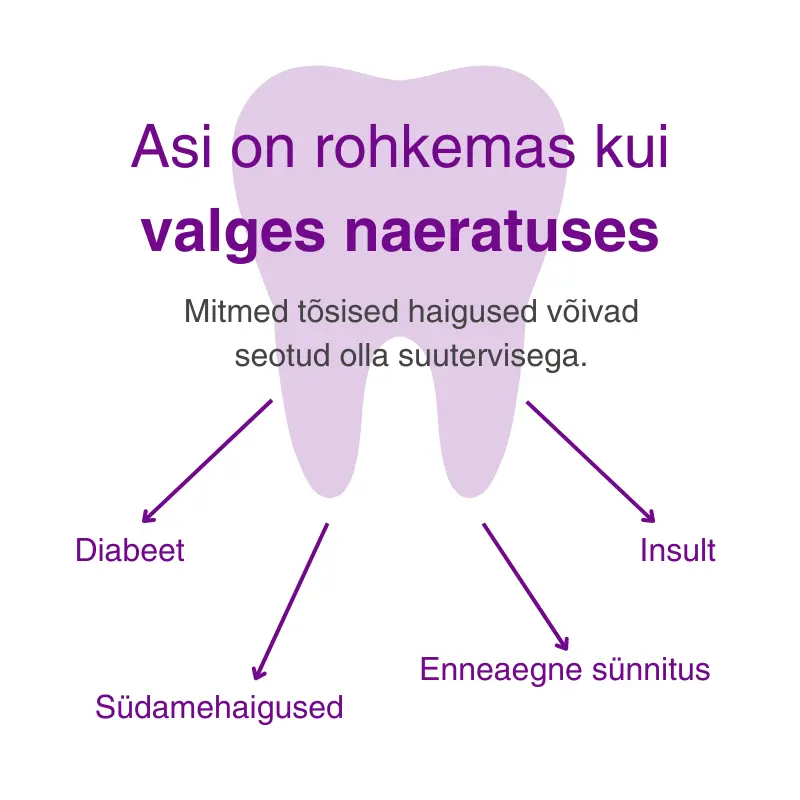
Diabetes and oral health. Oral hygiene affects the entire body
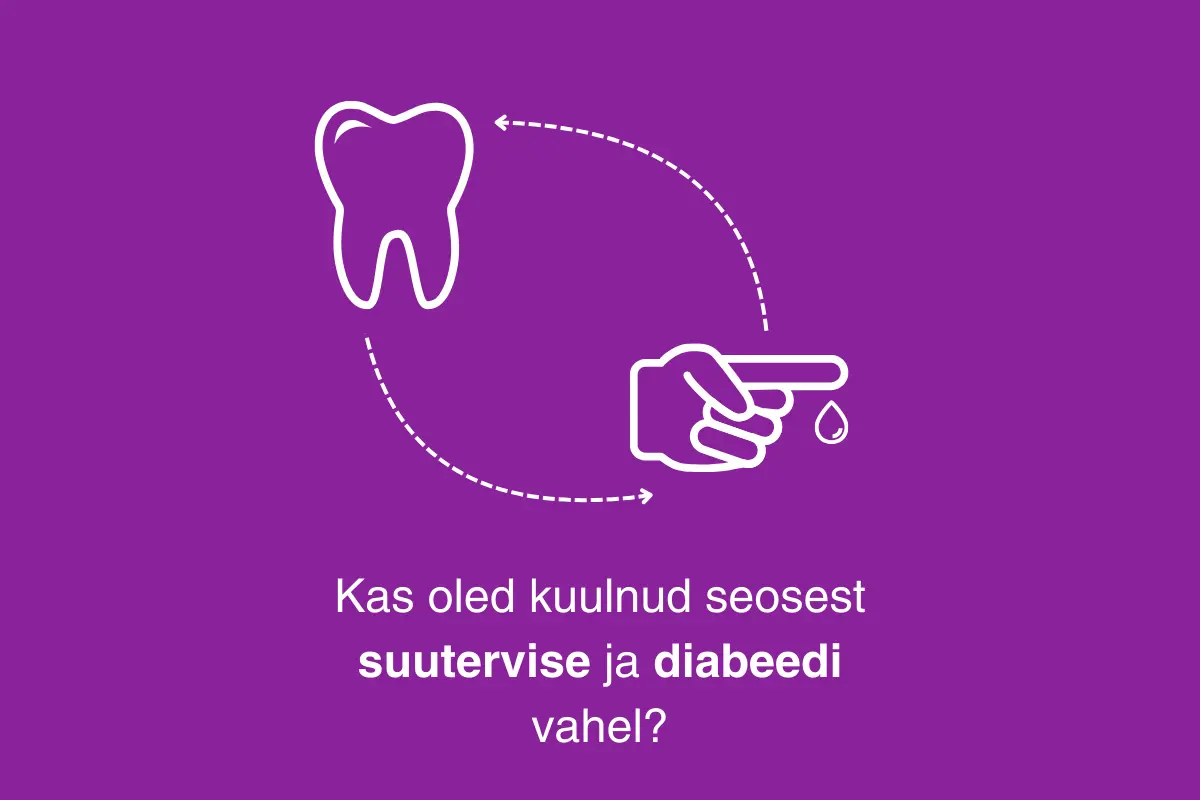
According to the Estonian Diabetes Association, approximately 70 000 people in Estonia have been diagnosed with diabetes. It is estimated that a similar number may have undiagnosed diabetes.
Research shows that patients with type 2 diabetes are at higher risk of developing gum disease and the progression of the disease is often more severe.
Severe periodontitis affects about 11% of the population. Unlike gingivitis, periodontitis results in the loss of the tissues supporting the teeth, which may not be fully recoverable. Periodontitis is an inflammatory disease triggered by the invasion of pathogenic bacteria in dental plaque. These bacteria activate the immune system, which in attempting to destroy the pathogens, can inadvertently attack the body’s own tissues—leading to the destruction of bone and periodontal ligaments around the teeth. As the disease progresses, teeth may become loose, chewing function is impaired and tooth loss can occur.
Early signs of gum disease
Detect gum problems early by monitoring your oral health. Signs may include:
- Bleeding gums while flossing or brushing.
- Red, swollen or tender gums.
- Persistent bad breath or an unpleasant taste in the mouth.
If you have experienced any of these symptoms, consult your dentist.
Small steps can make a big difference
A consistent daily oral hygiene routine helps maintain a healthy mouth and supports overall well-being.
- Toothbrush – Using the right tool and technique makes a significant difference. Speak with your dentist about improving brushing effectiveness.
- Interdental cleaning – Spaces between teeth are home to harmful bacteria. Clean them thoroughly to keep gums healthy.
- Mouthwash – Use a caring mouthwash to prevent plaque buildup and gingival inflammation.
- Regular check-up — Even with excellent home care, visiting the dentist twice a year is recommended.