What is Xylitol?
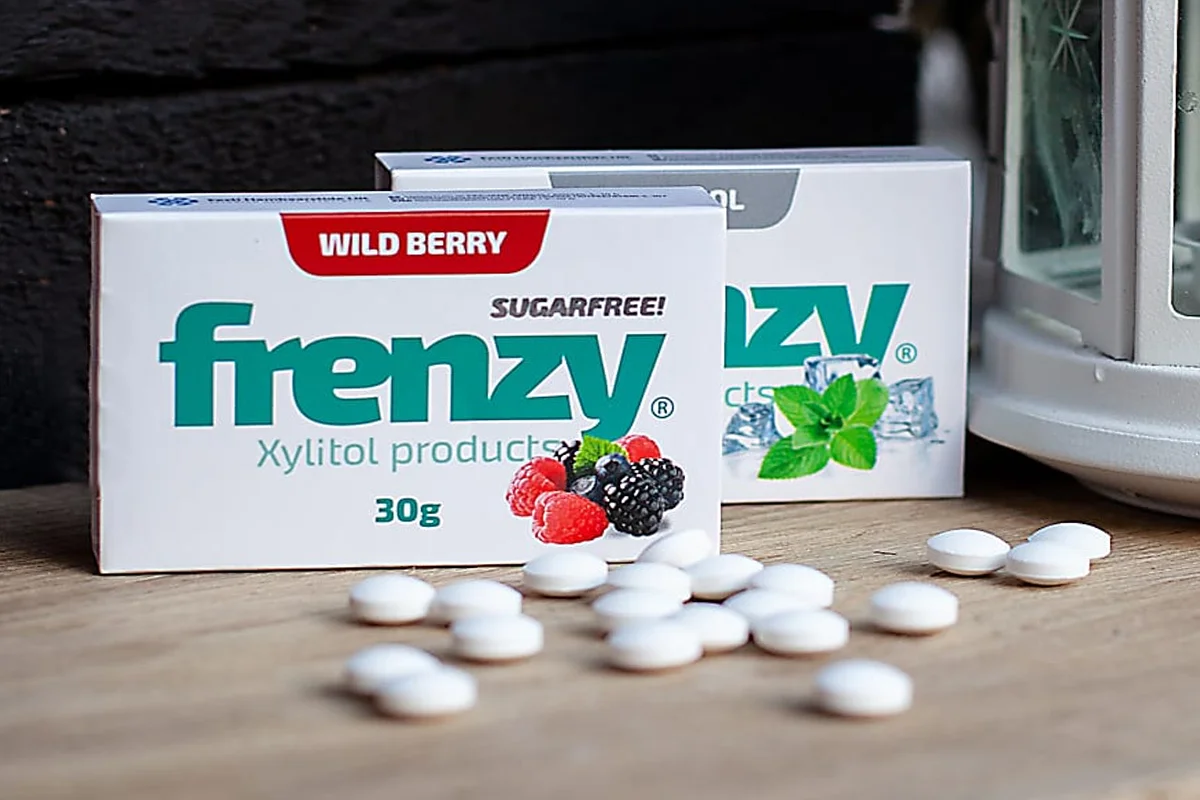
Xylitol is a natural sweetener, the regular use of which is an evidence-based method for preventing tooth decay. Xylitol’s cavity-preventing effect is primarily linked to its action against the cavity-causing bacterium Streptococcus mutans.
Fruits and plants naturally contain xylitol, and it is primarily synthesized from corn for use as a sweetener. It is utilized in both the food and cosmetics industries, and xylitol is particularly common in all types of oral hygiene products.
The Effect of Xylitol on Oral Microbes
It has been scientifically proven that xylitol inhibits the metabolism of SM bacteria, slows the growth of all cavity-causing SM strains, and reduces their levels in the oral microflora.
Using Xylitol with Food
Consuming xylitol during and after meals provides activity for oral bacteria but effectively starves them, as the bacteria are unable to digest it. Xylitol also increases the level of amino acids in saliva, which neutralizes the acid produced by bacteria.
In addition, xylitol participates in the natural tooth enamel remineralization process that occurs with meals, forming aggregates with calcium ions.
Xylitol’s Contribution to Oral Hygiene
An essential part of oral hygiene is the removal of plaque from teeth. By reducing bacterial levels, xylitol also decreases plaque and thus supports overall oral hygiene.
Xylitol does not replace oral hygiene!
Explore our range of xylitol products!
References:
Lee YE, Choi YH, Jeong SH, Kim HS, Lee SH, Song KB (2009). Morphological changes in Streptococcus mutans after chewing gum containing xylitol for twelve months. Curr Microbiol 58:332-337
Kakuta H, Iwami Y, Mayanagi H, Takahashi N (2003). Xylitol inhibition of acid production and growth of mutans Streptococci in the presence of various dietary sugars under strictly anaerobic conditions. Caries Res 37:404-409.
Mäkinen KK (1985). New biochemical aspects of sweeteners. Int Dent J 35:23-35.
Mäkinen KK (2010). Sugar alcohols, caries incidence, and remineralization of caries lesions: a literature review. Int J Dent 2010:981072